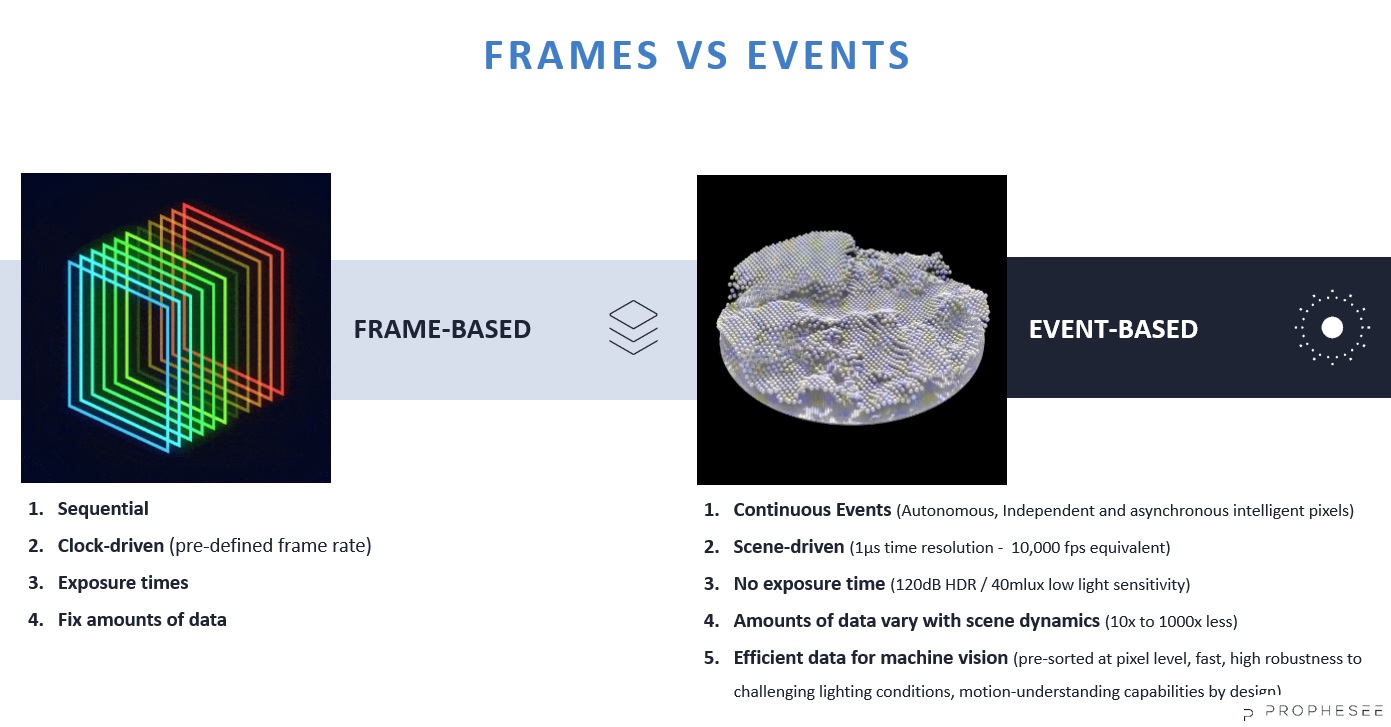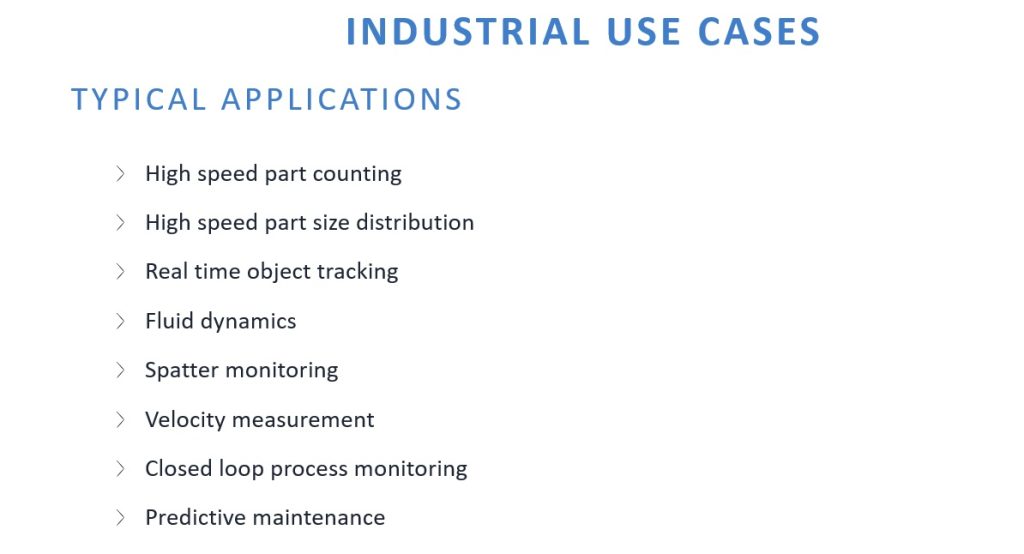
We don’t use terms like paradigm-shift lightly. Event-based vision (EBV) is shaking things up just as much as the arrival of frame-based and line-scan imaging once did . It’s that different. And why we are excited to offer Prophesee sensors and cameras.
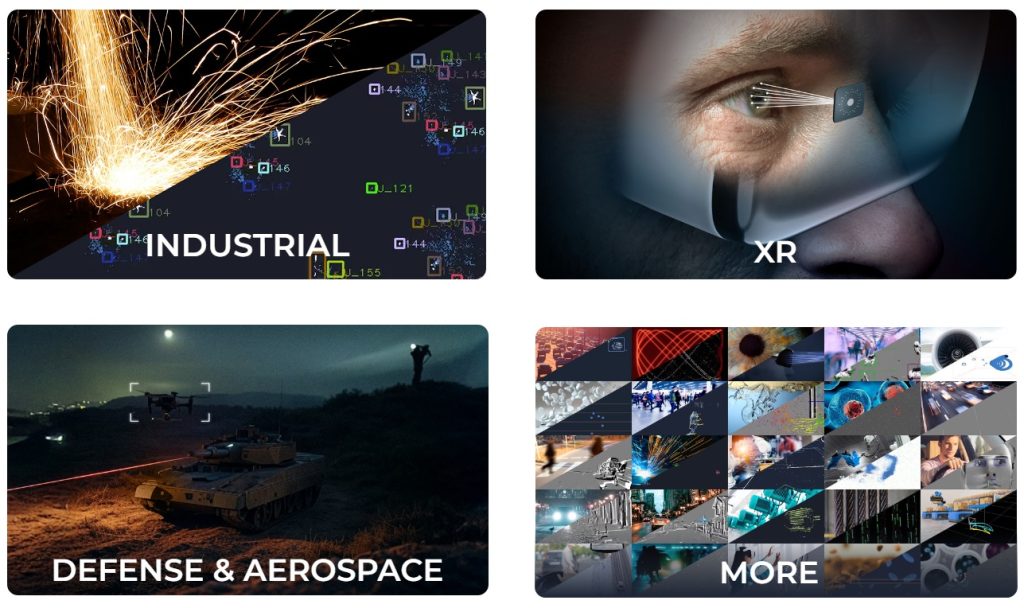
Applications examples… and just enough about concepts
This informational blog skews towards applications examples, with just enough about concepts and EBV technology to lend balance. Event-based vision is so new and so different than previous vision technologies. We believe our readers may appreciate an examples-driven approach to understanding this radically new branch of machine vision.
Unless you’re an old hand at event-based vision (EBV) …
…and as of this writing in Summer 2025 few could be, let’s show a couple of short teaser videos before we explain the concepts or go deeper on applications.
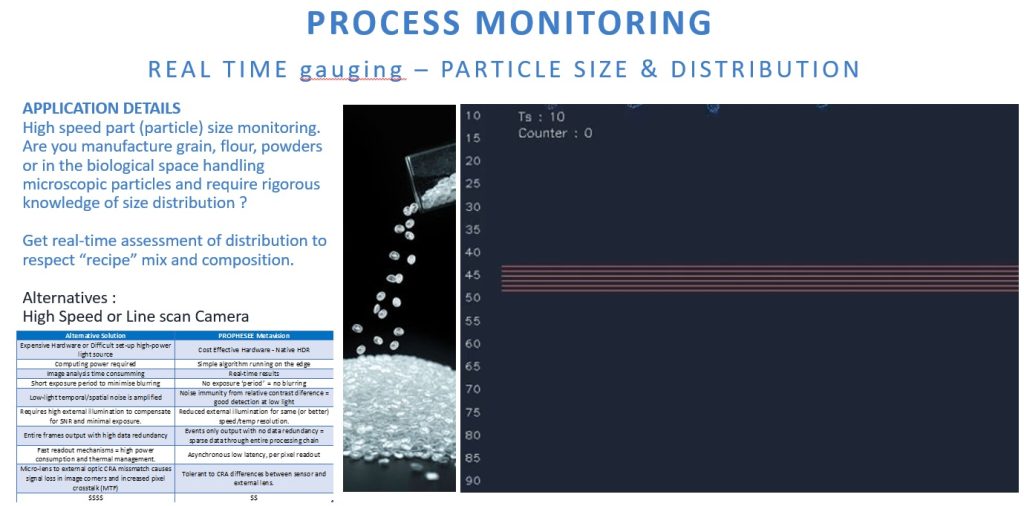
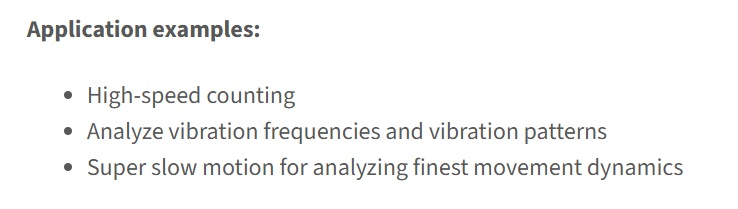
Example 1: High-speed multiple-object counting and sizing
The following shows a use of event-based imaging to both count particles or objects and to estimate their size. All in a high-speed multiple concurrent target environment.
Example 2: Eye-tracking – only need to track pupil changes
Now consider eye-tracking: in the video below, we see synchronized side-by-side views of the same scene. The left side was obtained with a frame-based sensor. The right side used a Prophesee event-based sensor. Why “waste” bandwidth and processing resources separating a pupil from an iris, eyelids, and eyebrows, when the goal is eye-tracking?
Radically increased speed; massively less data
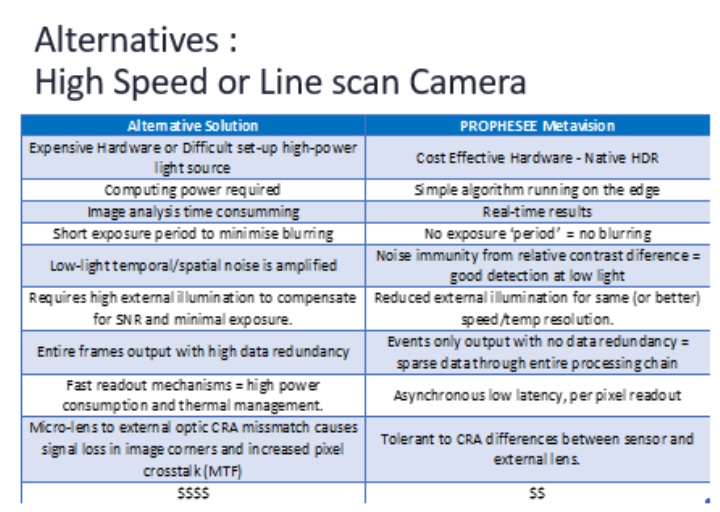
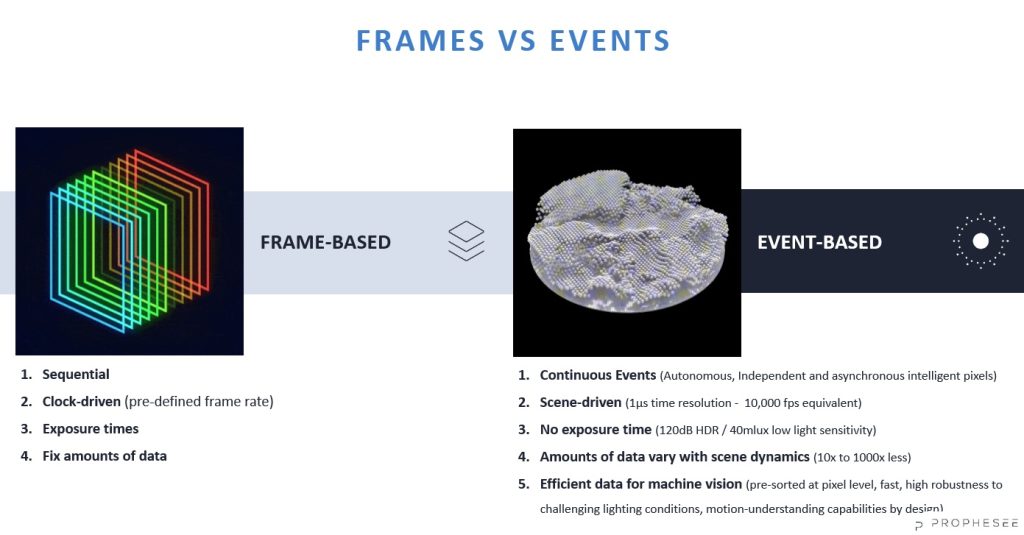
Prophesee Metavision‘s sensor tracks “just” what changes in the field of view, instead of the frame-based approach of reading out whole sensor arrays, transmitting voluminous data from the camera to the host, and algorithmically looking for edges, blobs, or features.

Example 3: Object tracking
Not unlike the eye-tracking example above, but this time with multiple moving targets – vehicular traffic. With frame-based vision, bandwidth and processing has to repeatedly process static pavement, light poles, guard rails, and other “clutter” comprising 80% of the field of view. But with event-based vision the sensor only detects and transmits the moving vehicles.
Whether counting traffic for congestion planning/reporting, or collision avoidance abord a given vehicle, we don’t care what the vehicle looks like – only that it’s there and moving along a certain trajectory and at a detected speed.
Example 4: Surveillance and security
Prophesee named this video “Optical Flow Crowd”, which is best understood in the context of security and surveillance, we suggest. It’s not unlike the vehicular flow example above, except that cars and trucks mostly stay in-lane. Whereas pedestrians move at diverse angles. And their arm, leg, head, and torso movements also convey information.
The (computed) vector overlays indicate speed and directional changes, important to reveal potentially dangerous actions taken or likely to emerge. For example, does a raised arm indicate a handgun or knife being readied, or is it just a prelude to scratching an itchy nose? Is there a pursuer turning towards another pedestrian, to which a nearby policeman should be alerted?
Example 5: Vibration monitoring and preventative maintenance
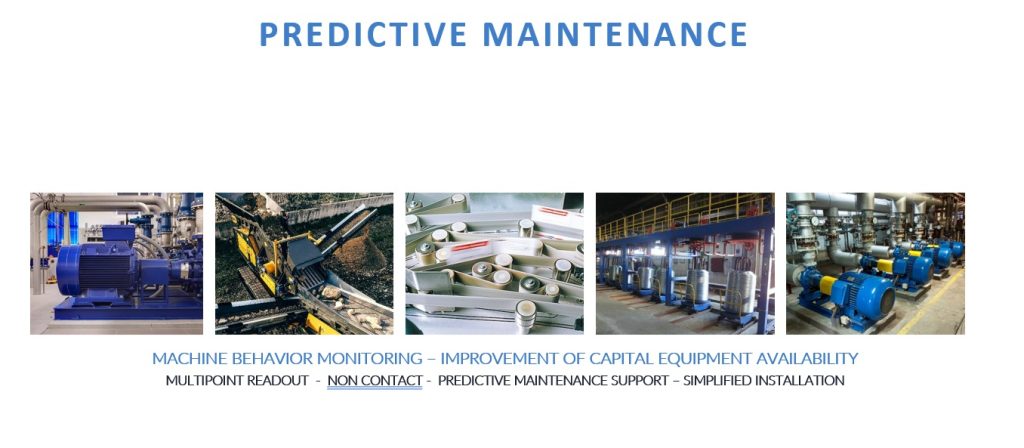
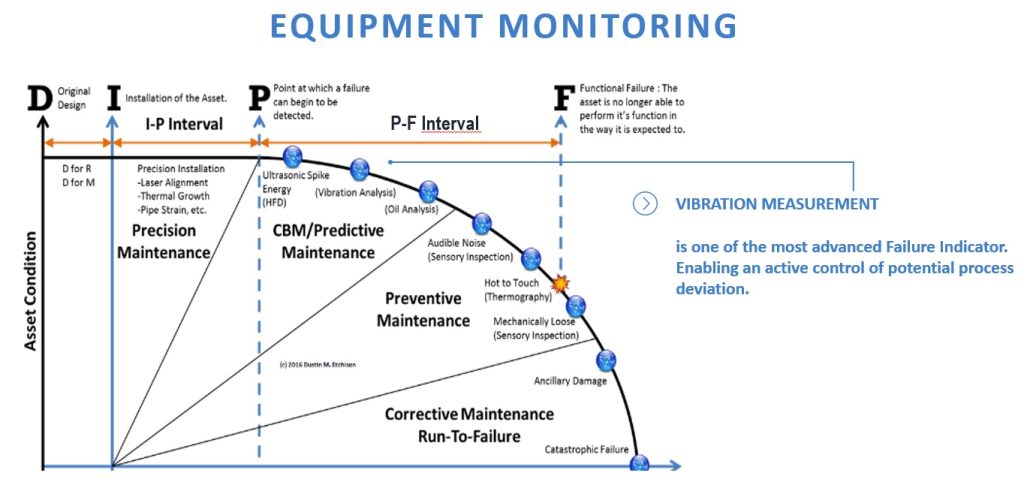
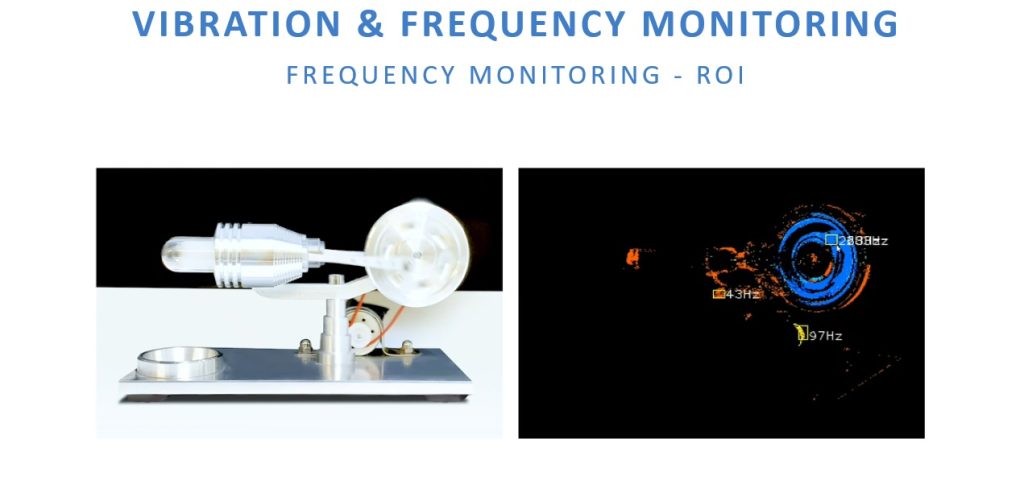
Motorized equipment is typically service either on a preventative maintenance schedule and/or a break-fix approach, depending on costs, legal liabilities and risks, etc. What if one could inexpensively identify vibration patterns that reveal wearing belts or bearings before a breakdown and before there is preventable collateral damage to other components?
Enough with the examples – how can I get event-based sensors?
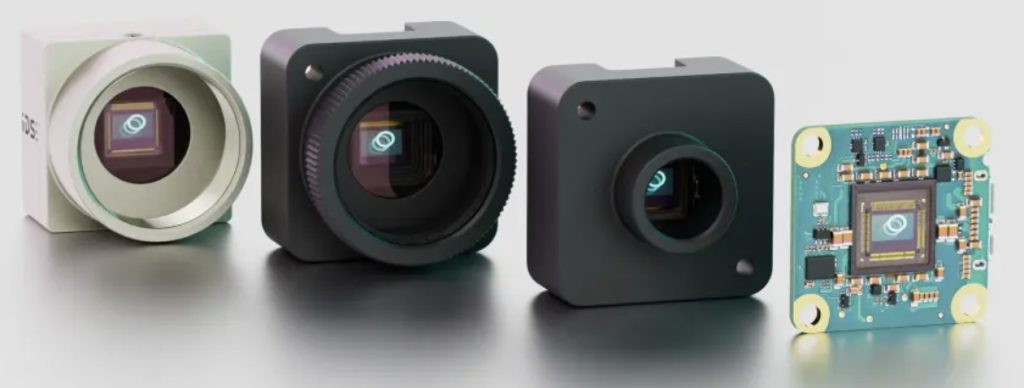
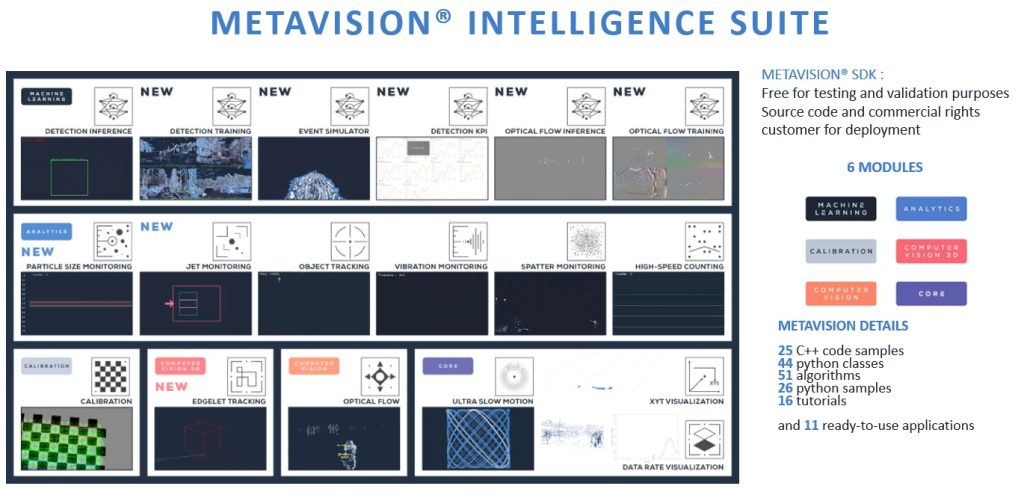
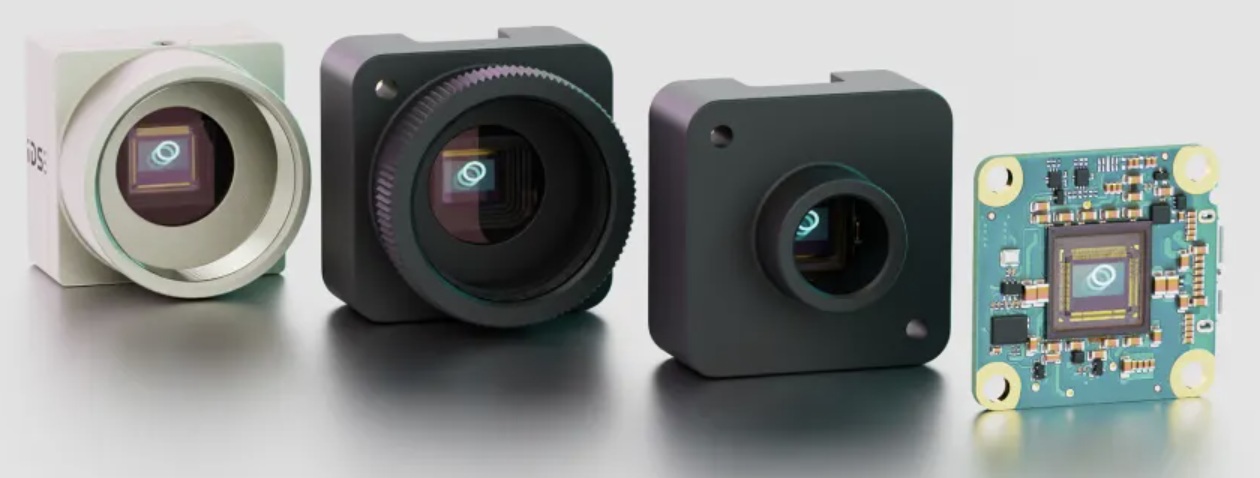
1stVision is pleased to represent Prophesee with a wide range of sensors, evaluation kits, board-level and housed cameras, and an SDK designed for event-based vision applications.

Built on neuromorphic engineering principles inspired by the brain’s neural networks and human vision, Prophesee products are surprisingly affordable, enabling new fields of event-based vision. Or improving on frame-based vision applications that may be done better, faster, or less-expensively using an event-based approach.

1st Vision’s sales engineers have over 100 years of combined experience to assist in your camera and components selection. With a large portfolio of cameras, lenses, cables, NIC cards and industrial computers, we can provide a full vision solution!
About you: We want to hear from you! We’ve built our brand on our know-how and like to educate the marketplace on imaging technology topics… What would you like to hear about?… Drop a line to info@1stvision.com with what topics you’d like to know more about.